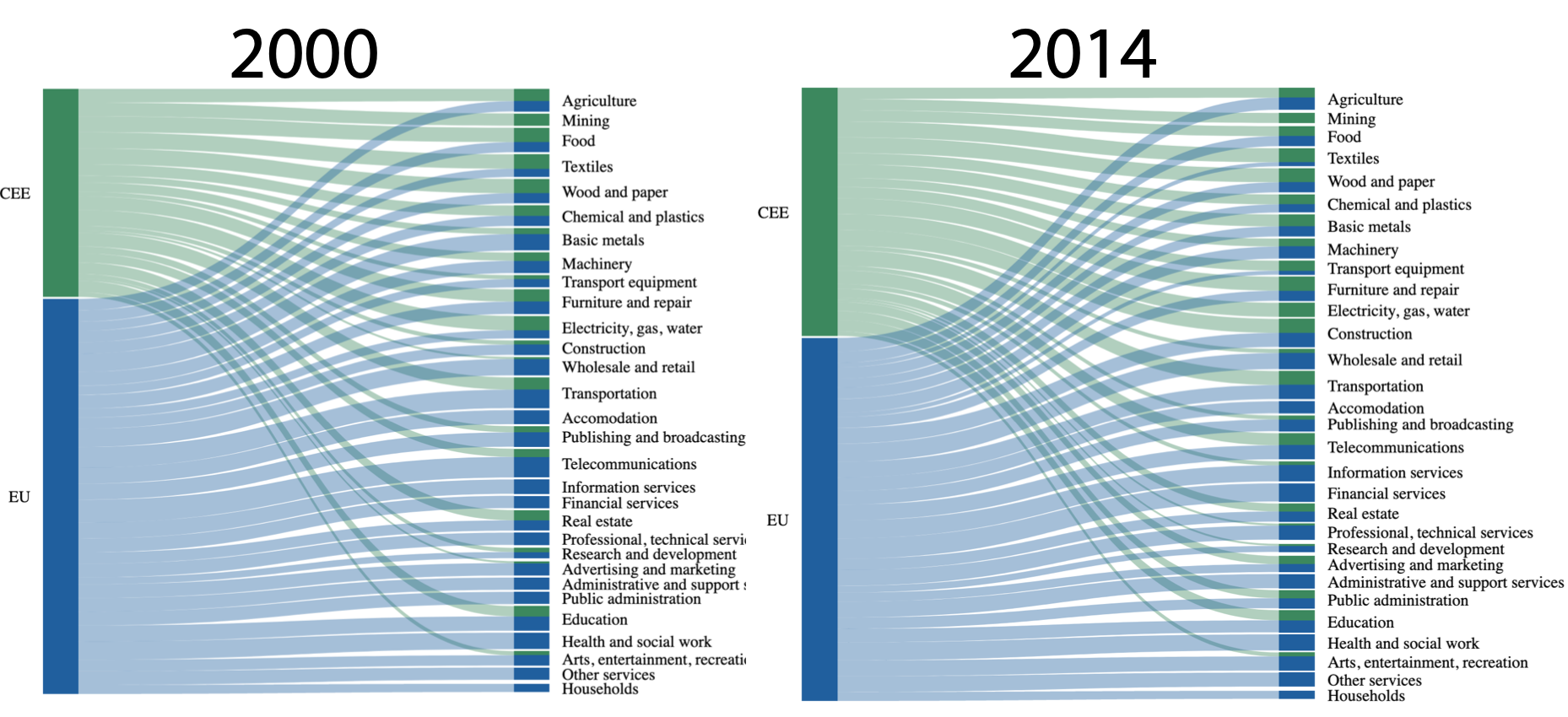
Core objectives of the European integration are economic convergence and growth across member states, but these ambitious goals are challenged by competition and value chain asymmetries within the common market. A fundamental tension exists between fostering specialized industries for global competitiveness and bridging the productivity gap between more and less developed countries.
A difficult challenge for the EU is how to harmonize the specialization of industries and countries to achieve global competitiveness while simultaneously ensuring that less developed regions can catch up. The question is whether convergence requires similar specialization patterns across the EU, or whether a division of labor with complementary specializations can achieve the same goal more effectively.